
Introduction.
We are living in the age of technology, often called the Digital Era. Technology has changed the way we communicate, work, and learn. Earlier, education was limited to classrooms, textbooks, and face-to-face teaching. Today, Digital education has transformed the entire learning system by making knowledge accessible anytime and anywhere.
Digital education is not only important for students but also for teachers, working professionals, entrepreneurs, homemakers, and senior citizens. It plays a crucial role in personal growth, career development, and national progress. This blog explains why digital education is important in today’s world and highlights its key benefits.
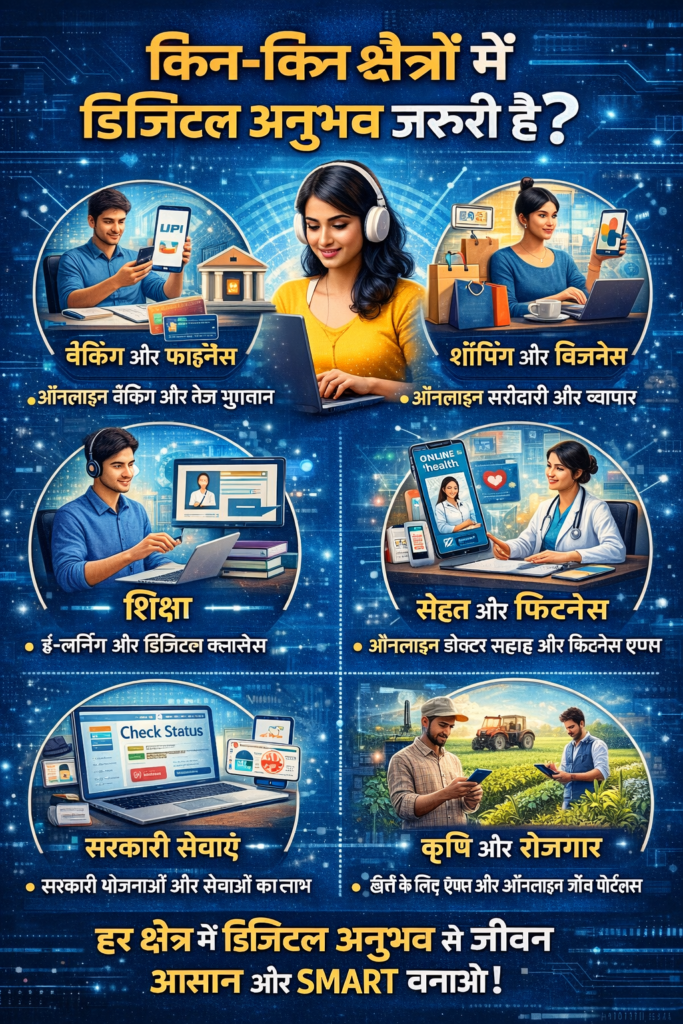
What is Digital Education?
Digital education refers to the process of learning and teaching using digital tools and technology. It involves the use of the internet, computers, smartphones, tablets, and online learning platforms to deliver educational content.
Common Examples of Digital Education:
- Online classes and virtual classrooms.
- E-learning Platform with time saving.
- Educational mobile applications.
- Digital textbooks and e-books.
- Recorded video lectures.
- Smart classrooms and virtual labs.
Why Digital Education is Necessary in Today’s Era?
1. A Technology-Driven World.
Almost every industry today depends on technology. From banking and healthcare to education and business, digital tools are used everywhere. To survive and grow in such an environment, Digital knowledge and skills are essential.
Digital education helps people:
- Understand modern technology
- Learn new software and tools
- Stay updated with industry trends
- Improve digital literacy
2. Easy Access to Education for Everyone.
One of the biggest advantages of digital education is accessibility. It removes geographical and physical barriers to learning.
Benefits include:
- Students in rural areas can access quality education.
- Physically challenged individuals can study from home.
- Learners from economically weaker backgrounds can use free or low-cost resources.
3. Flexible Learning System.
Unlike traditional education, digital education offers flexibility in time and location. Learners can study according to their own schedule.
Flexibility advantages:
- Learn at your own pace.
- Balance studies with jobs or personal responsibilities.
- Rewatch recorded lectures anytime.
- Personalized learning experience.
Major Benefits of Digital Education.
1. Cost-Effective Learning.
Digital education is often more affordable than traditional classroom education.
Reasons it is cost-effective:
- No transportation expenses.
- No hostel or accommodation costs.
- Free online courses and study materials.
- Digital books are cheaper than printed books.
2. Skill-Based Education.
In today’s competitive world, having a degree is not enough. Employers look for practical and job-ready skills.
Digital education focuses on:
- Skill development.
- Hands-on learning.
- Industry-relevant courses.
- Professional certifications.
Popular Digital Skills Include:
- Programming and coding
- Digital marketing
- Graphic designing.
- Data analysis.
- Artificial intelligence and machine learning.
3. Better Career and Job Opportunities.
Digital education opens the door to new career opportunities.
Career benefits include:
- Access to remote and work-from-home jobs.
- Freelancing opportunities.
- Global job market exposure.
- Support for entrepreneurship and startups.
4. Encourages Lifelong Learning.
Digital education promotes the concept of Lifelong Learning. People can continue learning at any stage of life.
Lifelong Learning helps to:
- Upgrade skills regularly.
- Change career paths easily.
- Stay relevant in a fast-changing job market.
5. Improved Learning Experience.
Digital education makes learning more interactive and engaging through modern tools.
Interactive learning methods include:
- Videos and animations
- Online quizzes and assessments
- Gamification techniques
- Virtual labs and simulations
These methods help learners understand concepts more clearly and improve retention.
Importance of Digital Education for Students.
For students, digital education acts as a powerful learning tool.
Key benefits for students:
- Easy preparation for competitive exams.
- Access to global learning resources.
- Improved self-confidence and independence.
- Better time management skills.
Role of Digital Education for Teachers.
Digital education also supports teachers by enhancing their teaching methods.
Benefits for teachers include:
- Use of smart teaching tools
- Ability to reach a larger audience online
- Opportunities for content creation
- Professional development and training
Importance of Digital Education for Society and the Nation.
Digital education contributes significantly to social and national development.
Nation-wide benefits include:
- Increased digital literacy
- Creation of a skilled workforce
- Reduction in unemployment
- Faster economic growth
- Stronger and smarter society
Challenges of Digital Education and Their Solutions.
Common Challenges:
- Poor internet connectivity
- Lack of digital devices
- Limited digital awareness
Possible Solutions:
- Government digital education initiatives
- Expansion of internet infrastructure
- Affordable smartphones and data plans
- Digital literacy training programs
Conclusion.
Today’s era, Digital education is not a choice but a necessity. It makes learning more accessible, flexible, affordable, and skill-oriented. Digital education empowers individuals, strengthens careers, and supports national development.
By adopting digital education effectively, we can build a knowledge-driven society, a skilled workforce, and a brighter future for everyone.
“Upgrade your Skills . Upgrade your Life. ”